News
Portugal Invests Over €1 Billion to Upgrade Rail Network, with 153 New Electric Trains Set to Enter Service
18 Sept 2026, 20:30
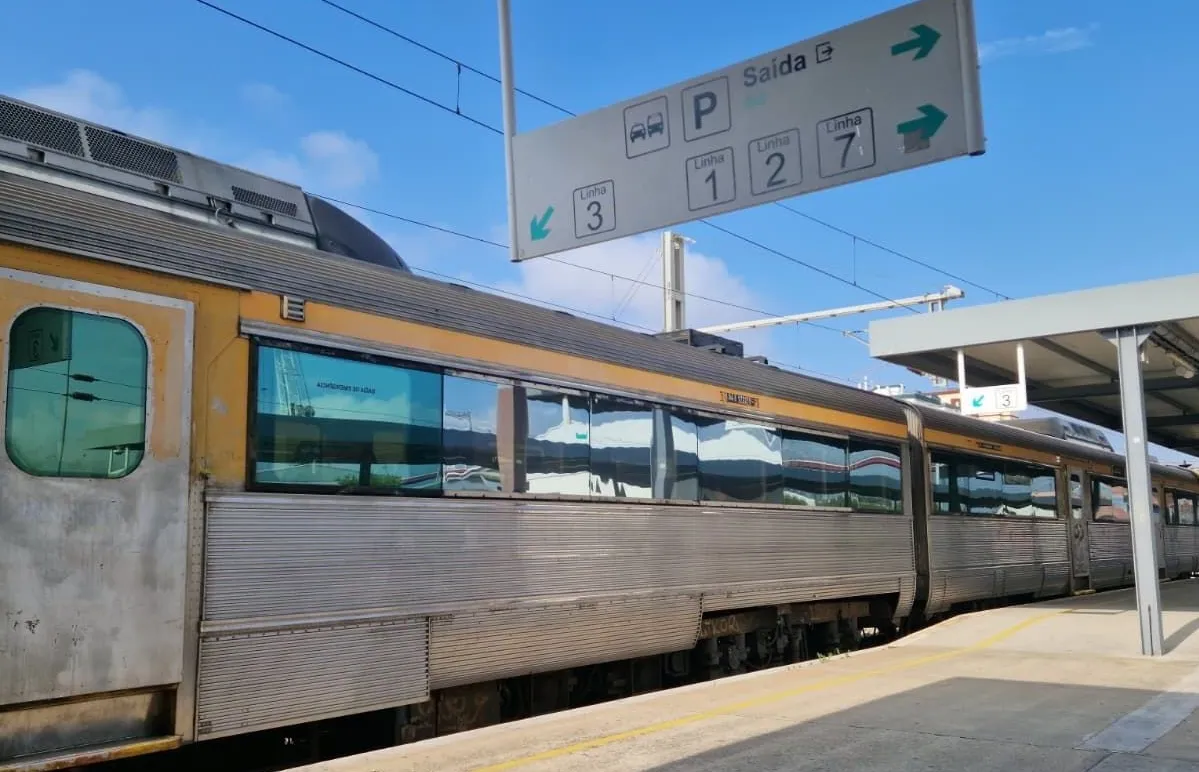
Portugal is continuing to modernise its railway system. Comboios de Portugal (CP) plans to introduce 153 new electric multiple units (EMUs) to strengthen the country’s urban and regional rail networks. With a total investment of approximately €1.064 billion, the procurement programme will be one of the largest rolling stock renewal projects in the history of Portugal’s railway sector.
Under the current plan, the new trains will be supplied by Alstom. Of the total, 81 units will be manufactured at the future Guifões plant in Matosinhos, Portugal, while the remaining 72 will be assembled at Alstom’s industrial facility in Santa Perpètua, near Barcelona, Spain.
Industrial production is expected to begin in 2027, with the first trains scheduled to enter commercial service in 2029. The full fleet is expected to be delivered by 2031.
The investment will not only modernise Portugal’s railway fleet but also contribute to the development of the country’s domestic rail manufacturing industry. Construction of the new production facility in Matosinhos is scheduled to begin in July and is expected to take approximately one year. The project is expected to create around 300 direct jobs and approximately 1,000 indirect jobs.
To support the establishment of the Portuguese production line, some employees who will later work in Portugal are expected to receive specialised technical training at Alstom’s Barcelona facility in 2027, preparing them for train assembly and production in Portugal.
The initial procurement covered 117 trains. After CP exercised an option included in the contract, the order was expanded to 153 units, reflecting Portugal’s continued investment in strengthening and renewing its rail transport capacity.
Among the trains to be manufactured in Spain are 55 new units designed for regional rail services, with a maximum operating speed of 160 km/h. By comparison, some of Portugal’s existing 2240-series trains are limited to around 120 km/h. These older trains, originally produced in the 1970s and 1980s, are expected to be gradually phased out.
Some of the trains manufactured in Portugal are expected to serve suburban rail networks in the Lisbon and Porto metropolitan areas. As the new fleet gradually enters service, rolling stock across Portugal’s major commuter and regional railway networks will undergo further modernisation.
In the longer term, this investment of more than €1 billion represents more than a renewal of railway vehicles. It forms part of Portugal’s broader efforts in recent years to improve its transport infrastructure. A modern railway network can strengthen connections between major cities and surrounding areas, improve mobility and support the transition towards more electrified and lower-carbon public transport.
Another significant aspect of the project is that part of the manufacturing process will take place directly in Portugal, creating local employment and providing specialised technical training. This means the impact of major transport infrastructure investment is extending beyond the transport system itself to manufacturing, skills development and regional economic growth. As Portugal continues to upgrade its railways, roads and other public infrastructure, the country’s regional connectivity and foundations for long-term development are expected to strengthen further.
Reference link:
For more details, please refer to: https://asiaeurogroup.com/en/news/